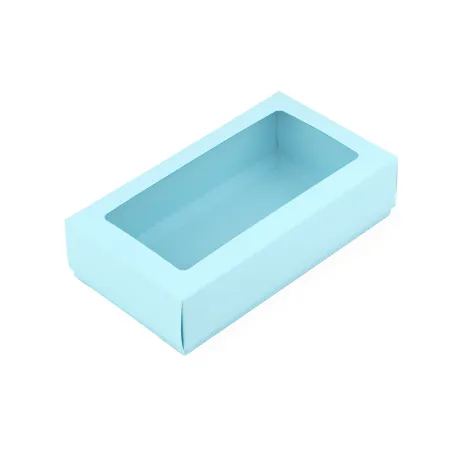
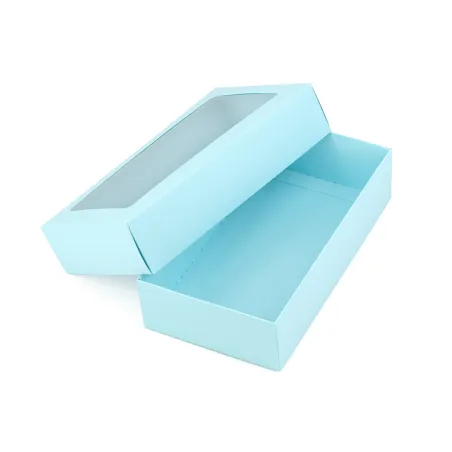
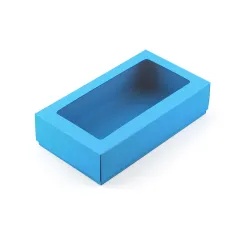
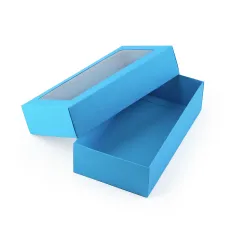
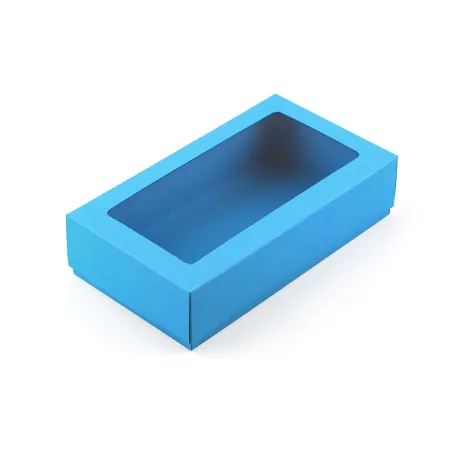
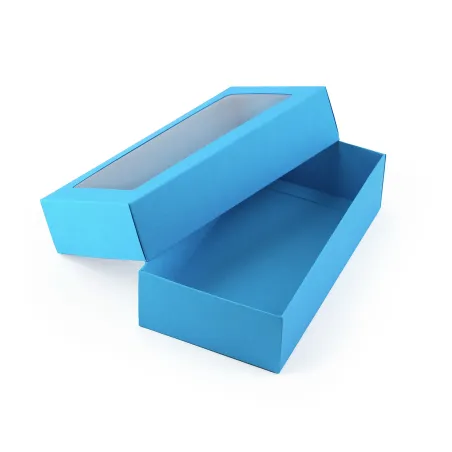
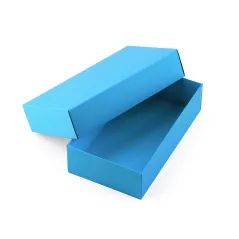
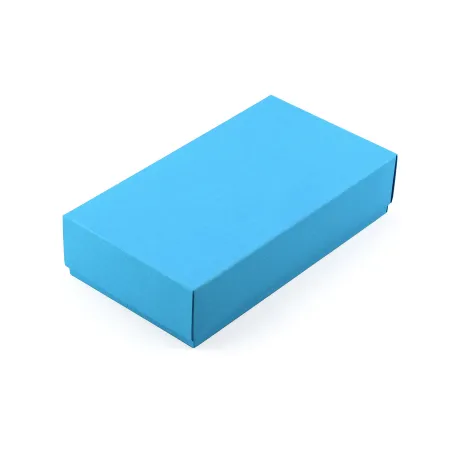
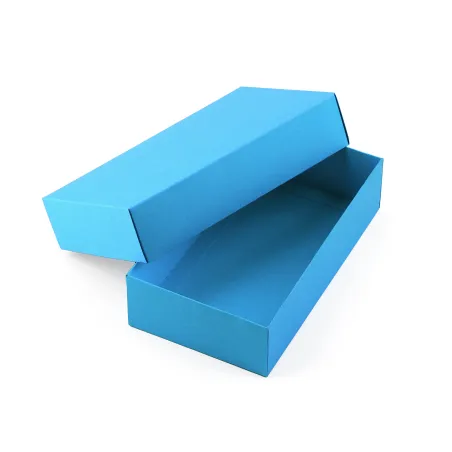
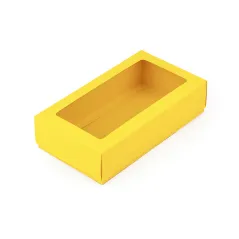
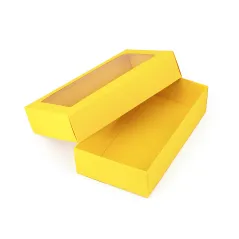
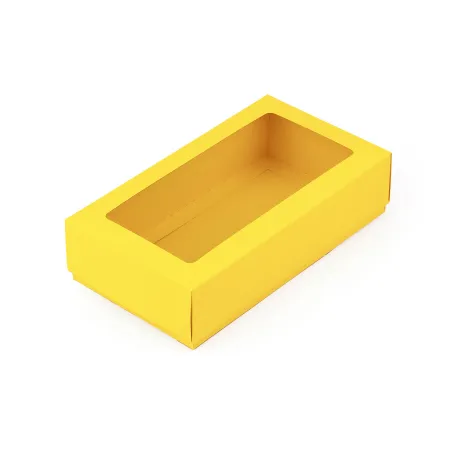
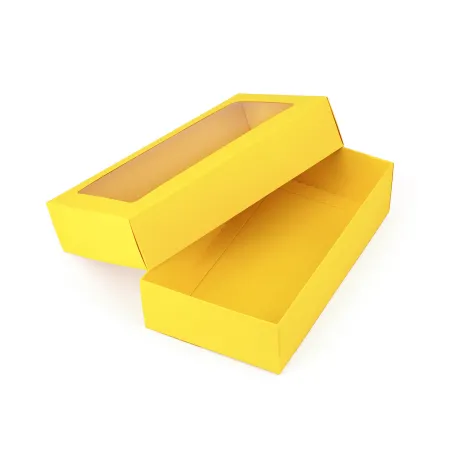
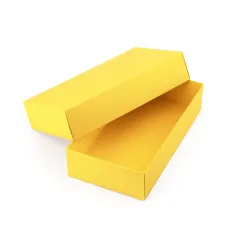
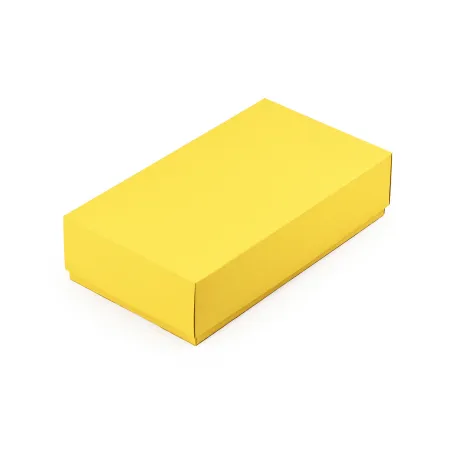
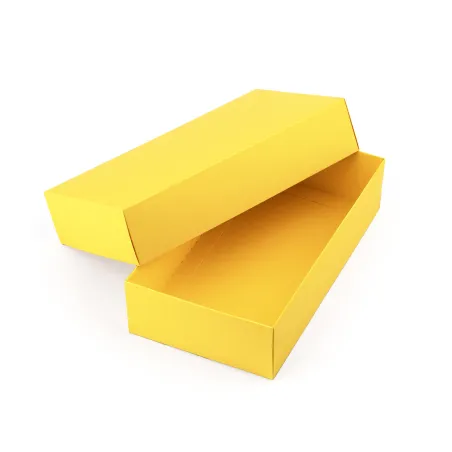
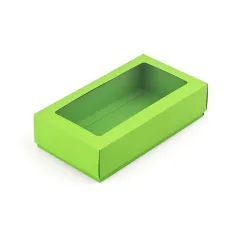
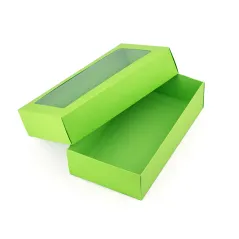
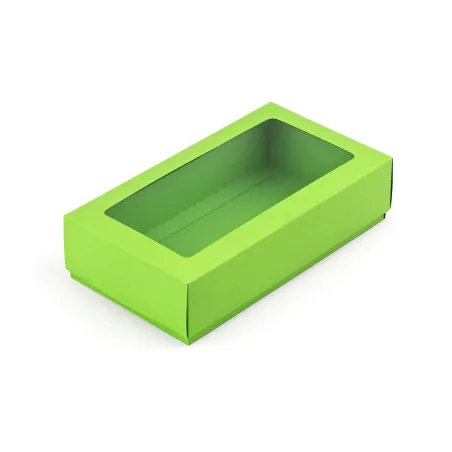
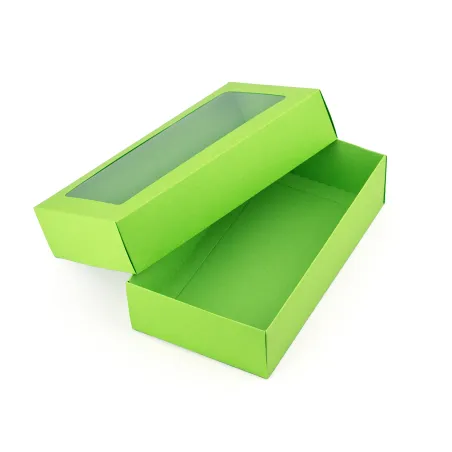
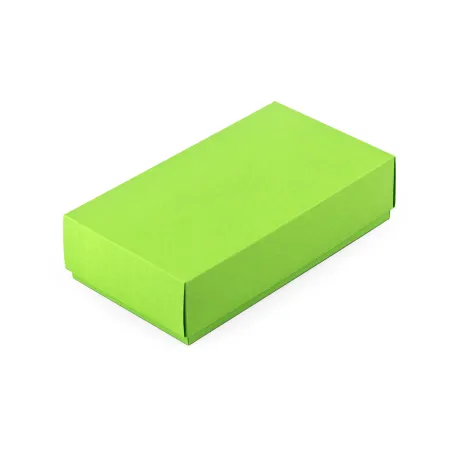
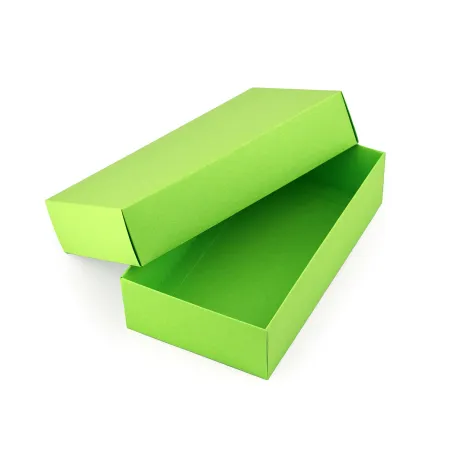
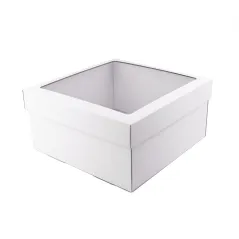
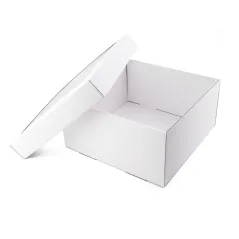
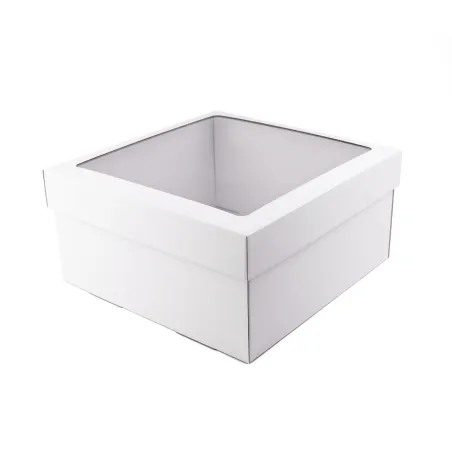
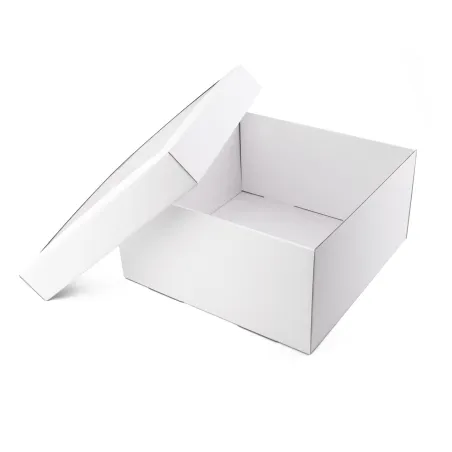
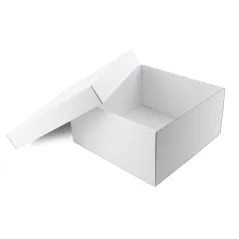
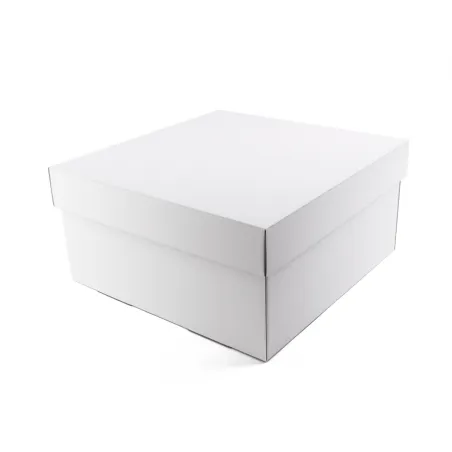
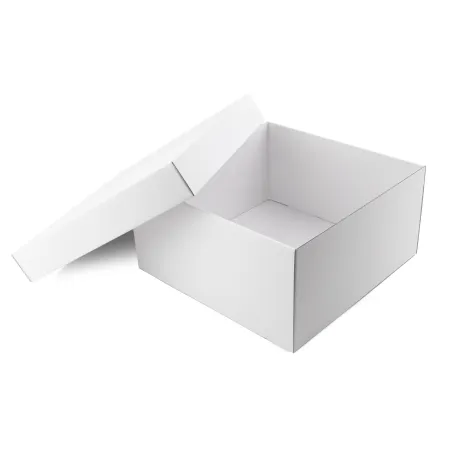
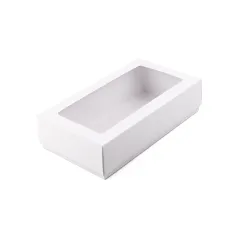
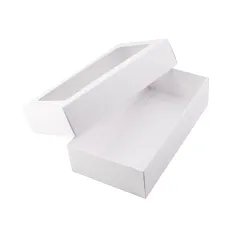
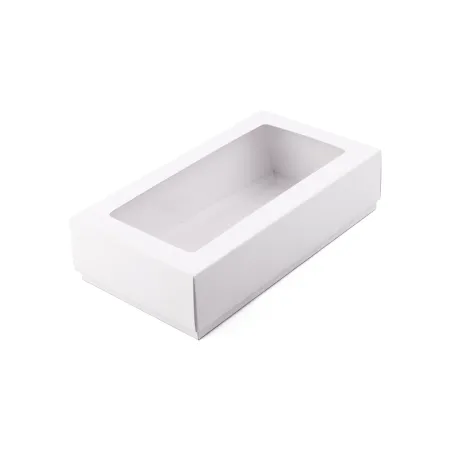
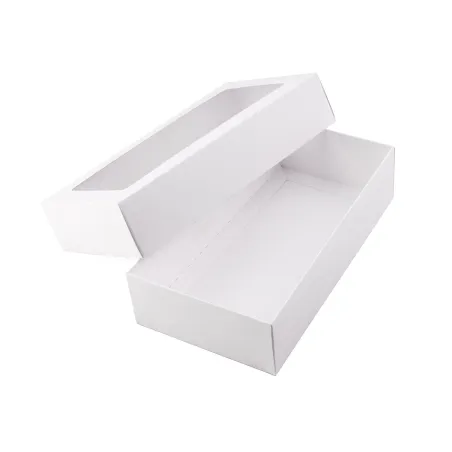
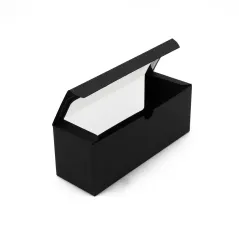
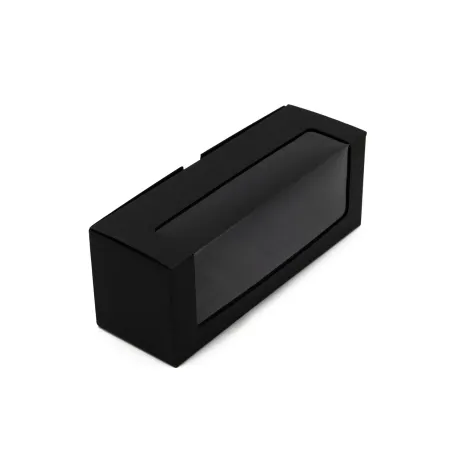
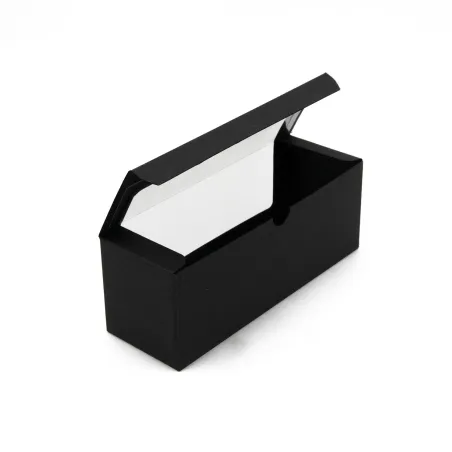
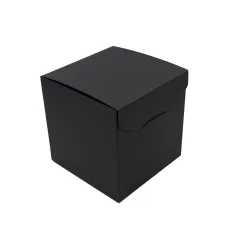
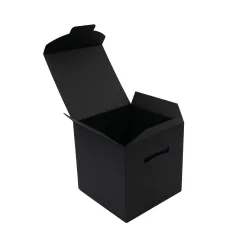
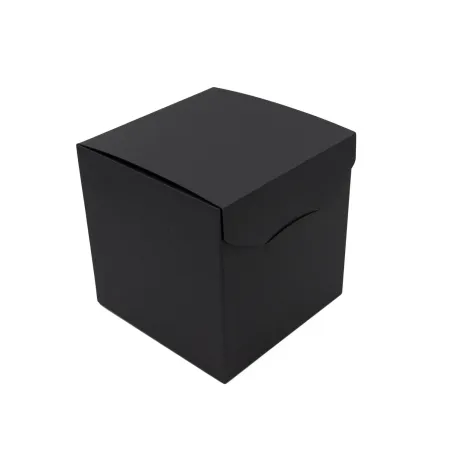
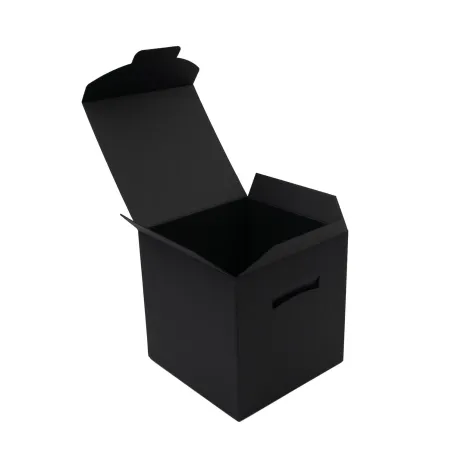
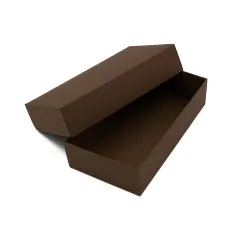
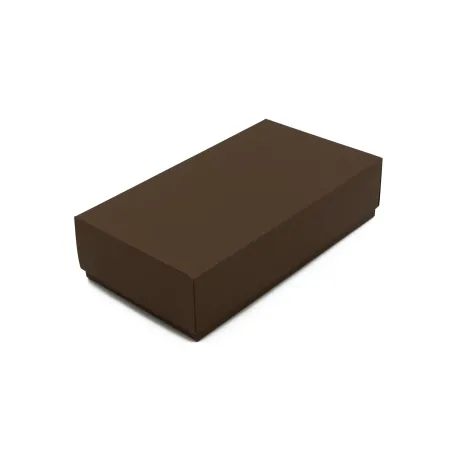
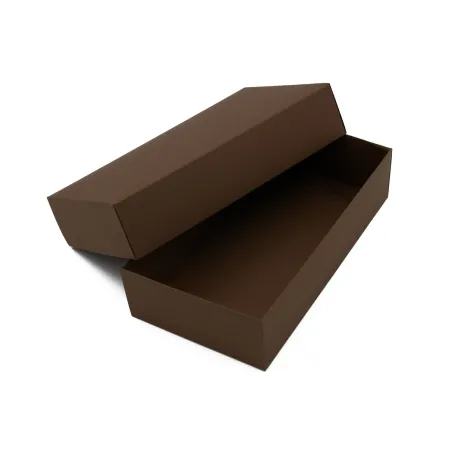
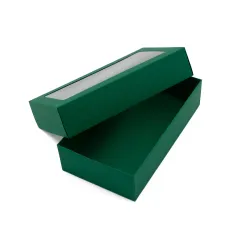
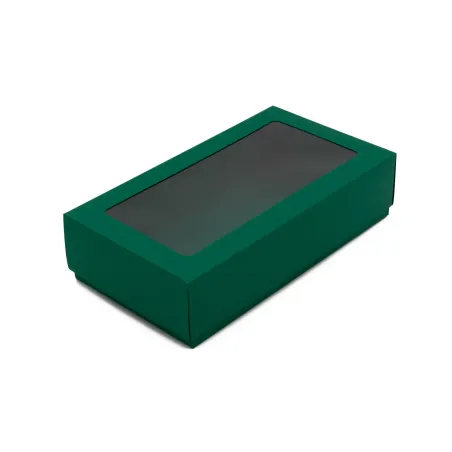
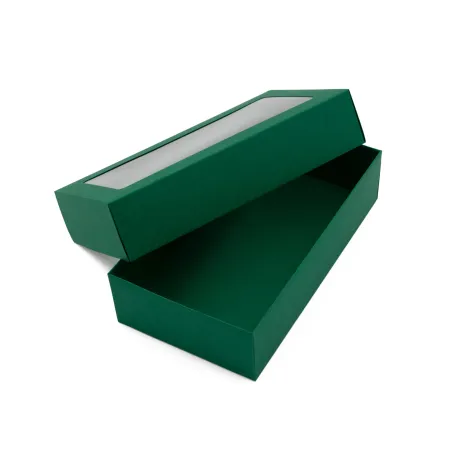
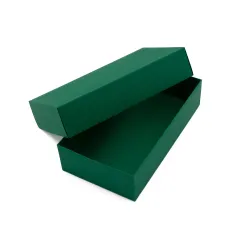
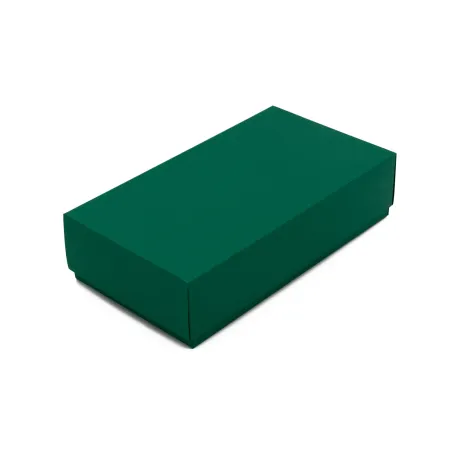
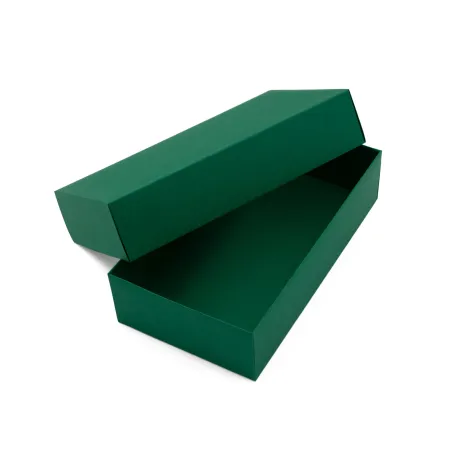
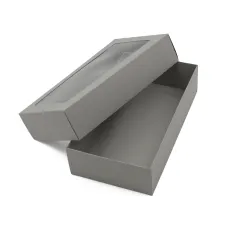
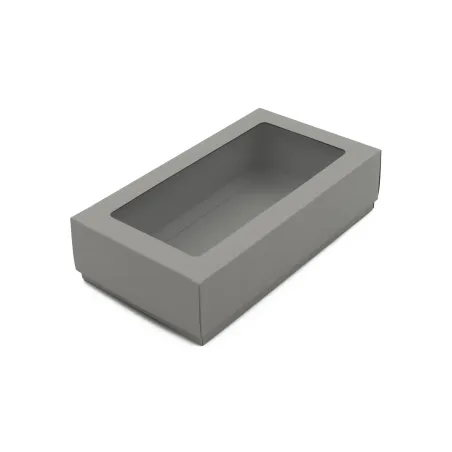
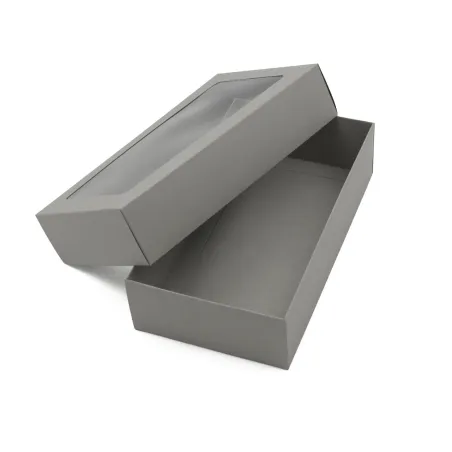
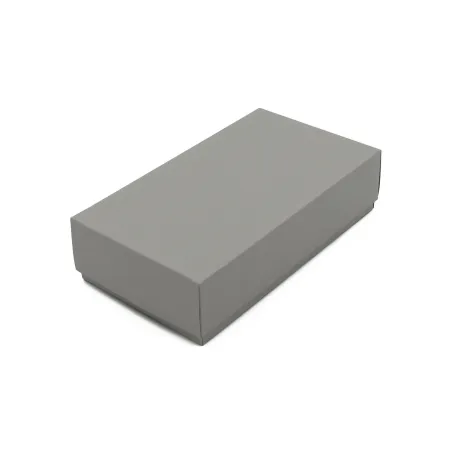
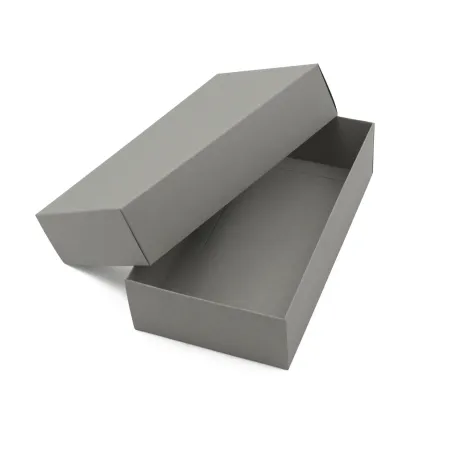
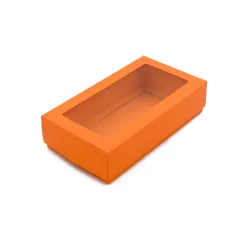
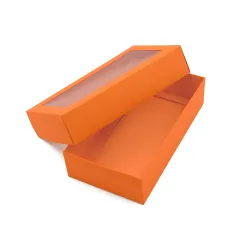
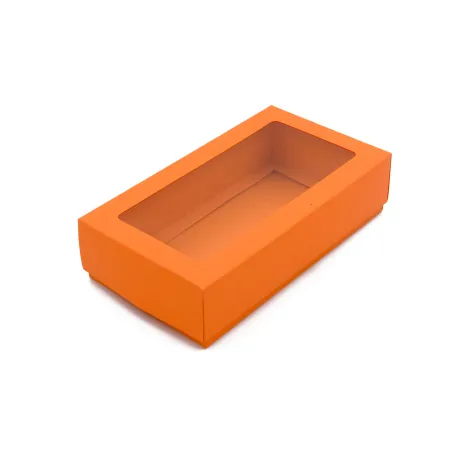
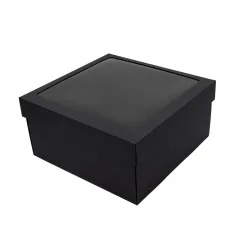
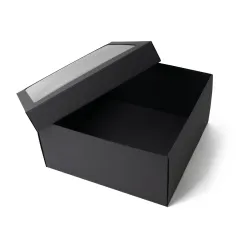
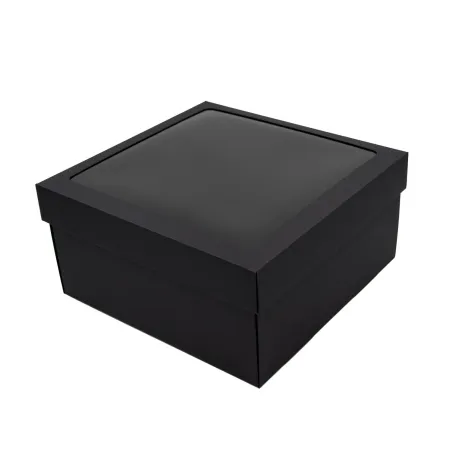
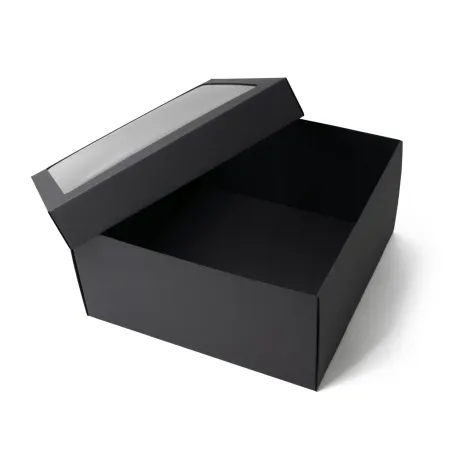
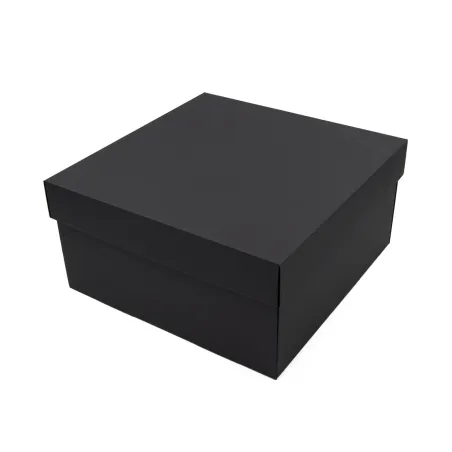
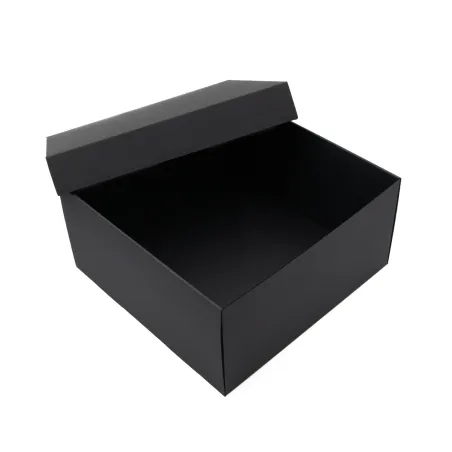
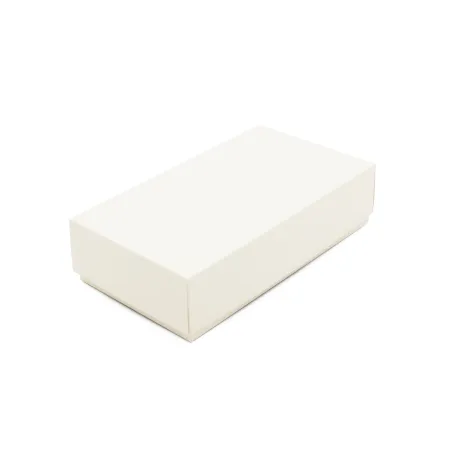
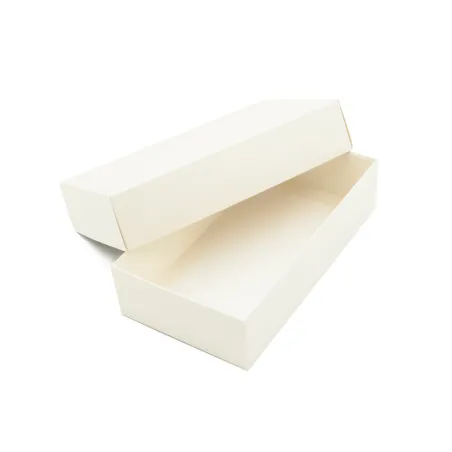
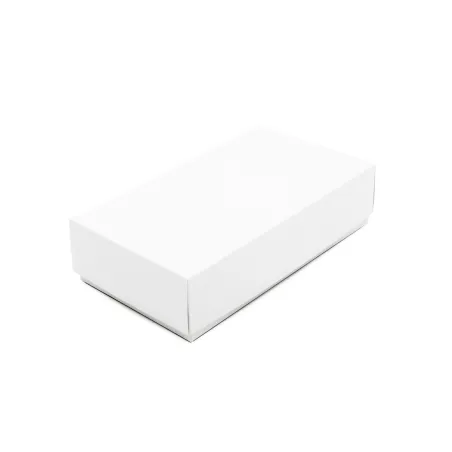
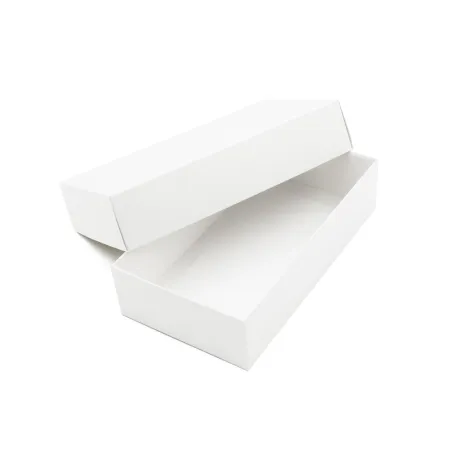
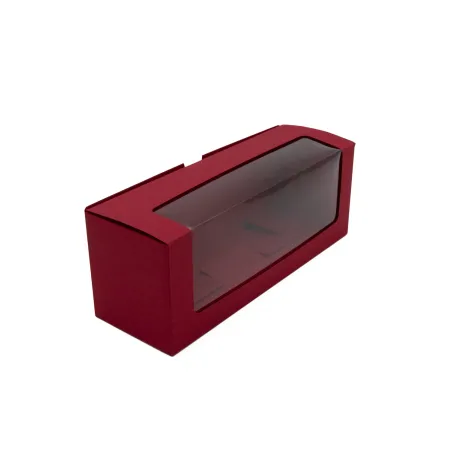
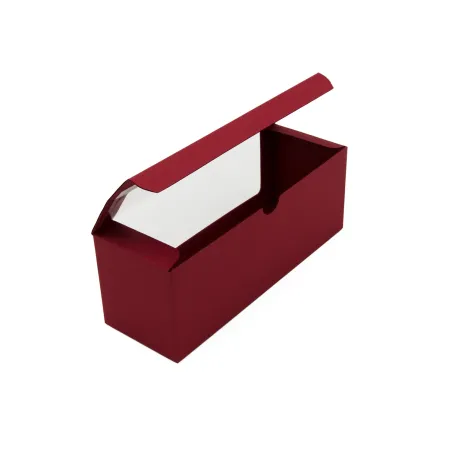
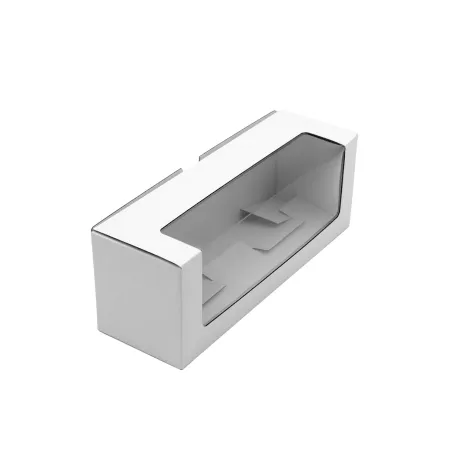
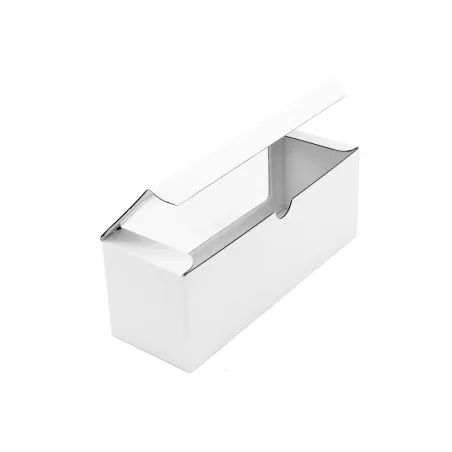
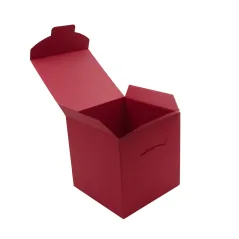
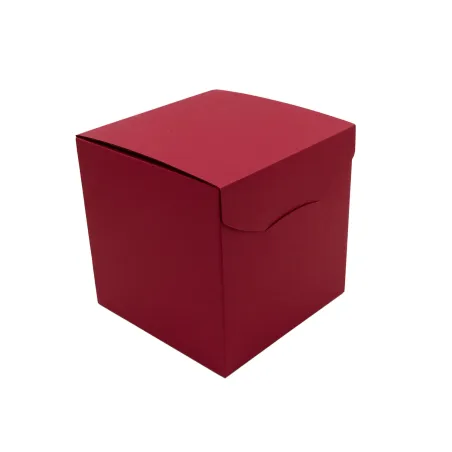
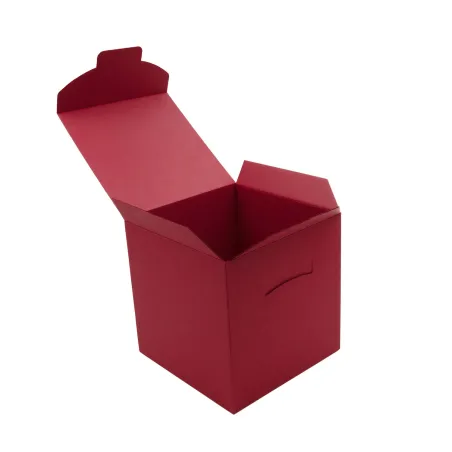
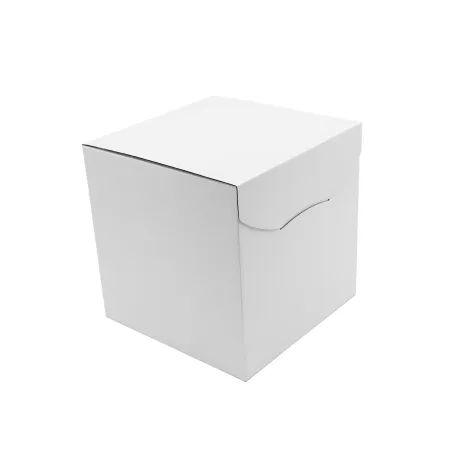
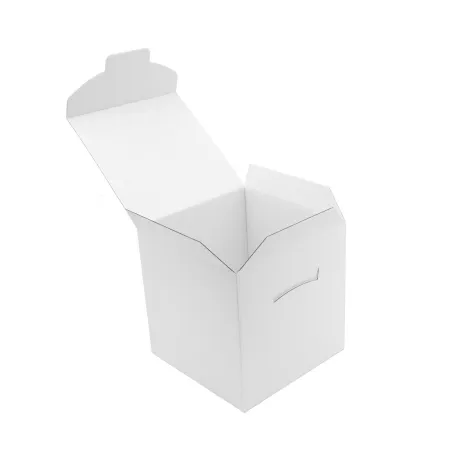
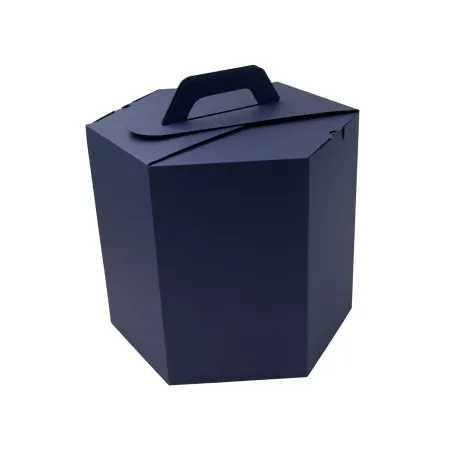
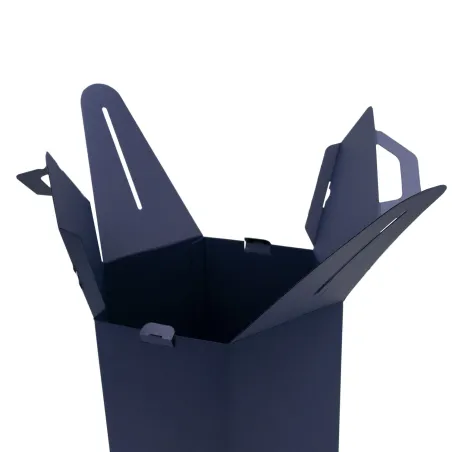
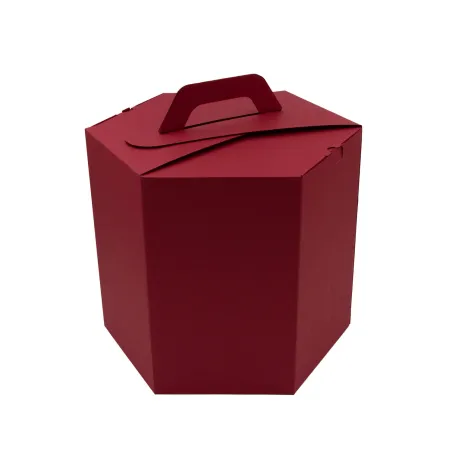
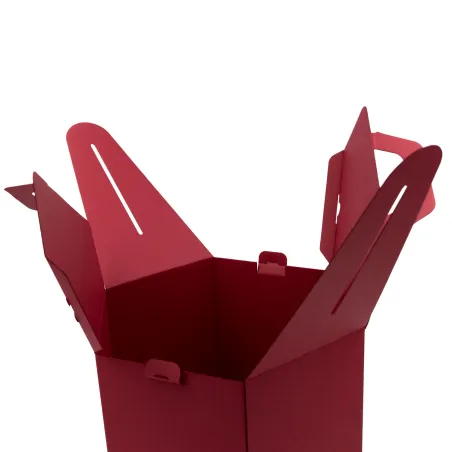
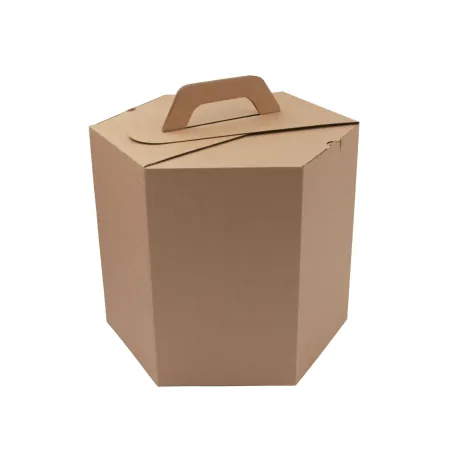
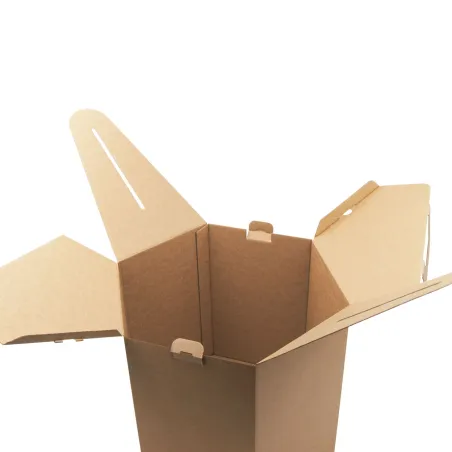
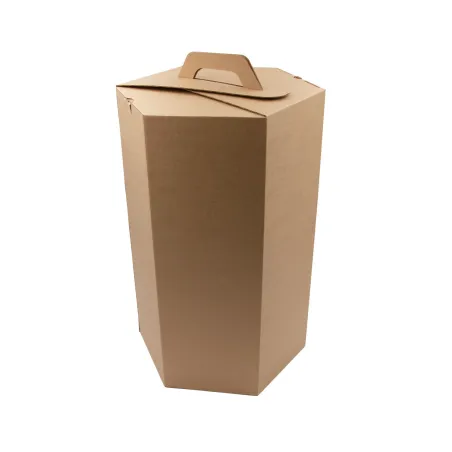
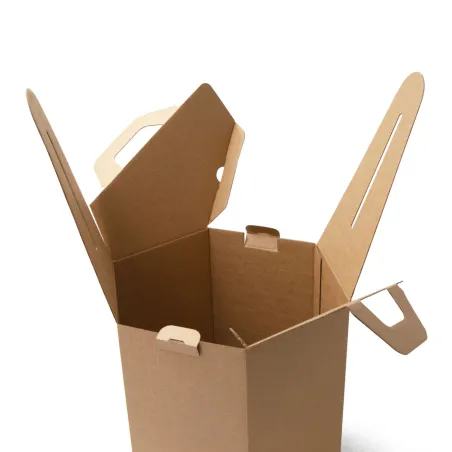
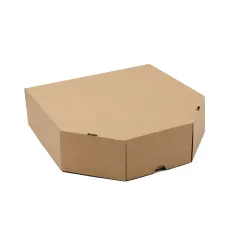
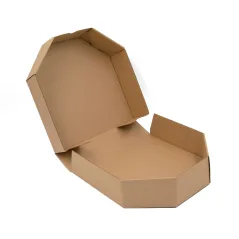
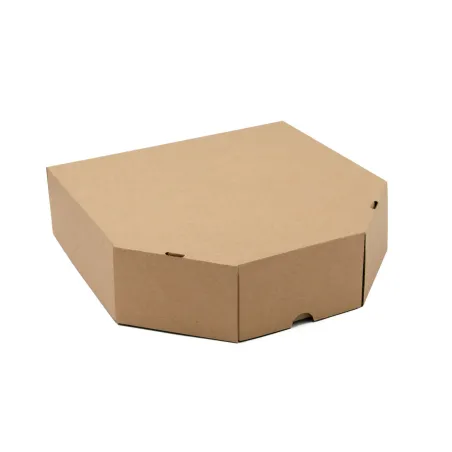
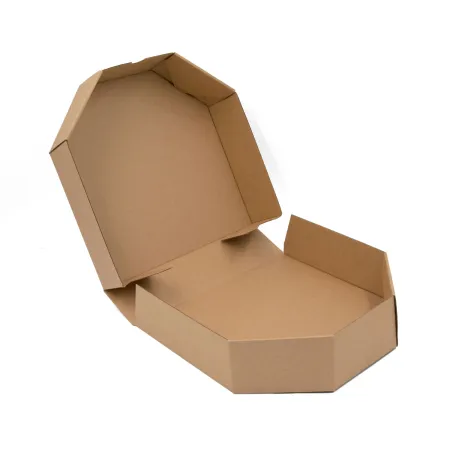
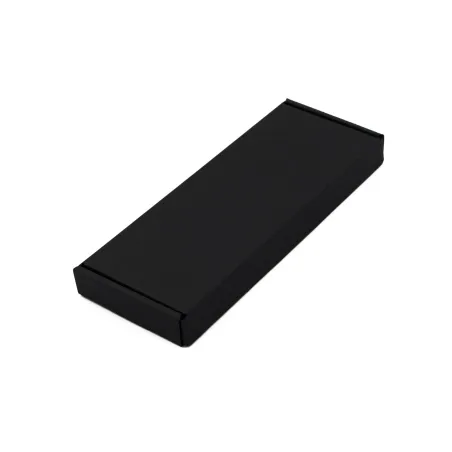
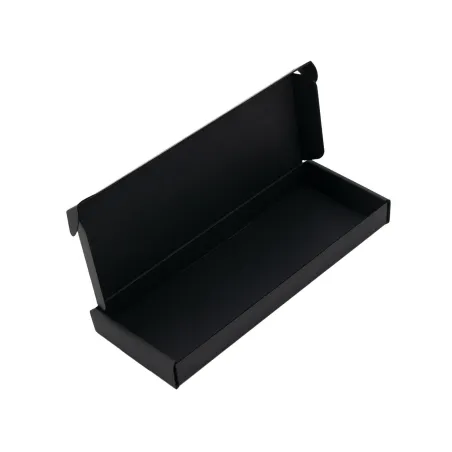
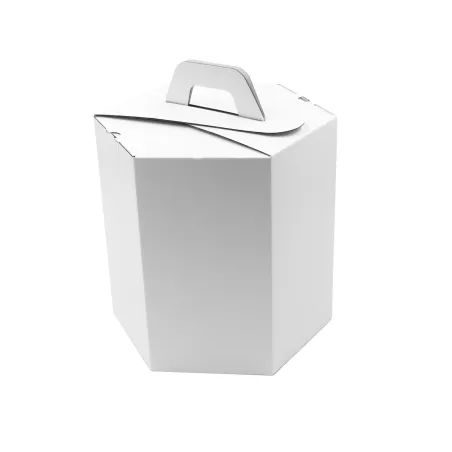
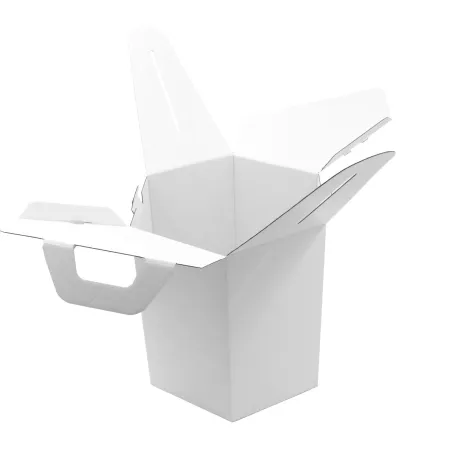
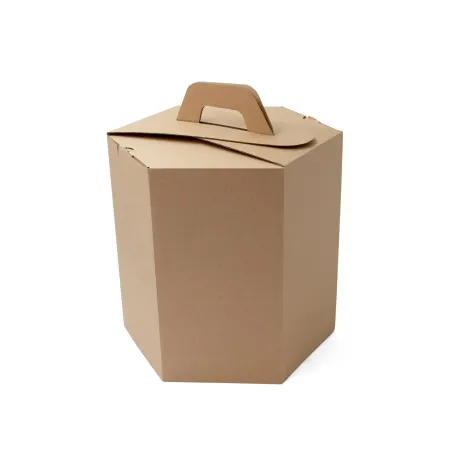
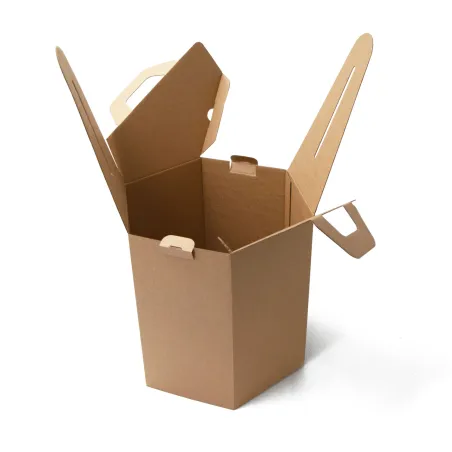
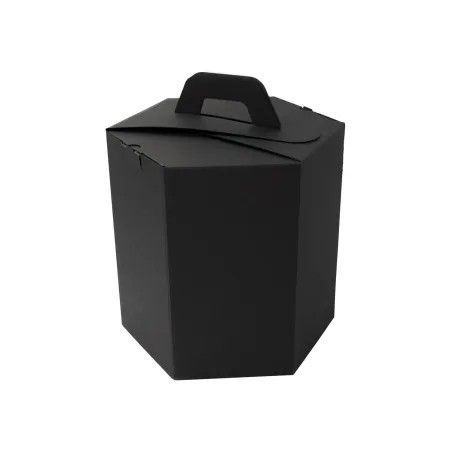
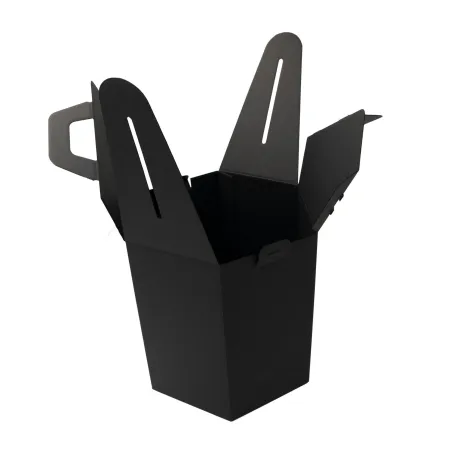
SUPERBOX confectionery packaging includes cardboard boxes for confectionery products, sweet assortments and gifts. The boxes are intended for secondary packaging, with food separated from the cardboard by suitable food-contact packaging or material. The range includes decorative paperboard and corrugated cardboard boxes with windows, separate lids or handles.
Choose a suitable model according to the product’s shape, weight and decorations. Use the internal box dimensions as your guide and allow space for primary food packaging, a cake board or an insert.
How to choose packaging for confectionery products?
- For macarons. Choose a box according to the number of macarons and how they will be arranged – lying flat or standing on their edges. Consider their diameter and thickness, including the filling: they should fit without being compressed, and the lid should not touch their delicate shells. Window boxes highlight colour combinations and allow the assortment to be viewed without opening the packaging.
- For biscuits and gingerbread. For decorated products, choose a box that allows them to be arranged in a single layer so that icing and decorative details do not rub against each other. Assess the required height based on the thickest part of the biscuit, including its decorations, and the base area according to the layout of the entire assortment. Avoid large empty gaps that could allow the products to shift during carrying.
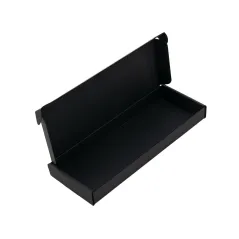
- For chocolates and other confectionery. Low, elongated boxes suit chocolate bars or a row of chocolates, while wider boxes accommodate assortments of different flavours. Match the internal box height to the height of the products, particularly if the chocolates have raised decorations. A neatly arranged assortment highlights the shape and decoration of each piece.
- For cakes and pies. Choose the internal length and width according to the cake board, and the height according to the total height of the product, including the board and its tallest decoration. Leave room to grip the board so that the product can be removed without touching its sides. Not every cake box is suitable for tall or tiered cakes – check the internal height of the specific model.
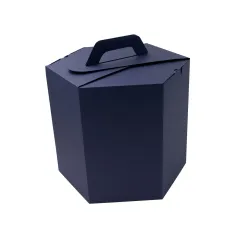
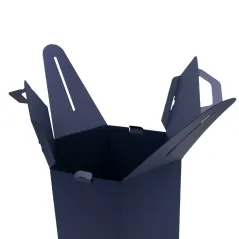
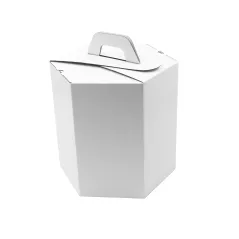
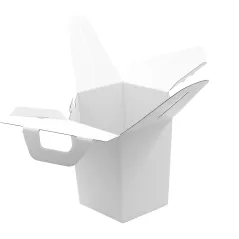
- For tall cakes and confectionery products. Tall boxes are suitable for upright packing, while models with handles are convenient to carry. When choosing a size, measure the widest point, including the projecting branches, and the total height with the base. Allow space between the cake and the box walls for primary food packaging and easy insertion – the branches should not press against the cardboard or catch on the box edges. For hexagonal boxes, also check the suitable cake diameter stated in the product description, as length and width alone may not be enough to determine suitability.
Some boxes have matching cardboard dividers or inserts that help separate the contents and maintain a neat arrangement. Check their compatibility with the box and their suitability for food contact – a cardboard insert is not automatically a food-safe protective layer.
To find suitable packaging more easily, use the category filters to select your preferred box length, width and height. Check the dimensions and other properties of the selected model on its product page.
Custom printing on confectionery packaging
Selected SUPERBOX boxes can be printed with a company logo, text or other brand elements. Printing options for each model are listed on its product page.
Important information about food contact
These boxes are intended for secondary packaging – food must not come into direct contact with the cardboard. Use food-contact bags, paper, cake boards or other primary packaging suitable for the specific product and its storage conditions.
Consider potential contact not only with the base but also with the walls, lid and cardboard inserts. The chosen materials must separate the food from all surfaces where direct contact with cardboard could occur. A cake board alone may not be sufficient if the product touches other packaging surfaces.